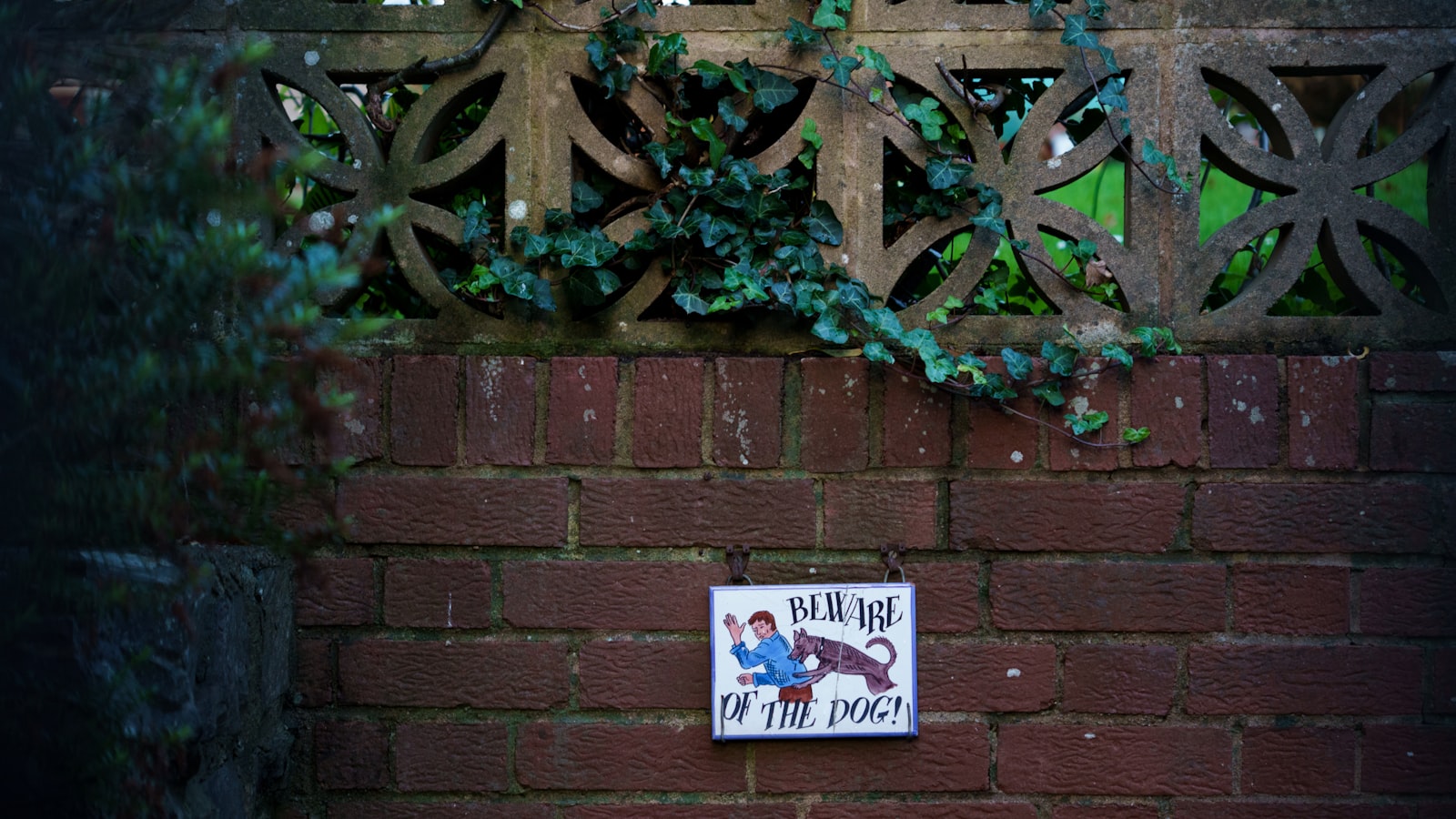
Get medical attention, identify the dog and its owner, report the bite to your local public health unit, and photograph the injuries as they heal. Ontario's Dog Owners' Liability Act makes the owner strictly liable for a bite or attack, so you do not need to prove the owner was careless, and there is no free first bite. Compensation usually comes from the owner's homeowner or tenant insurance rather than their own pocket.
The owner is liable. You do not need to prove carelessness.
Ontario's Dog Owners' Liability Act imposes strict liability. If a dog bites or attacks you, the owner is responsible for the damage, and you do not need to show the owner did anything negligent.
There is no free first bite in Ontario. A dog with no history of aggression still creates full liability for its owner the first time it hurts someone.
What to do in the first hours
Identify the dog and its owner before you leave the scene if you safely can. A name, an address and a photo of the dog matter more than anything said in the moment.
Get medical attention even for a wound that looks minor. Bite wounds infect easily, and the medical record ties the injury to the incident.
Report the bite to your local public health unit and photograph the injuries as they heal. Public health confirms the dog's rabies status, and the photos preserve what the wounds and scarring actually looked like.
Provocation can reduce compensation, not usually erase it
The Act allows compensation to be reduced where the injured person's own fault or negligence contributed, and provoking the dog is the common example.
Owners raise provocation often, sometimes over conduct as ordinary as reaching out to pet the dog. Whether that reduces anything is a question of the specific facts, not something to concede on your own.
Where the money actually comes from
In most cases the owner's homeowner or tenant insurance responds to a dog bite claim. You are dealing with an insurer, not taking a neighbour's savings.
That matters because many bites involve the dog of a friend, a relative or a neighbour. People abandon valid claims to spare a relationship that insurance exists to protect.
Landlords and property owners can matter, but start with the owner
In limited situations a landlord or the occupier of a property can share responsibility, for example where a dangerous dog was knowingly allowed to be kept on the premises.
Those are secondary routes. The owner's strict liability under the Act is the foundation of almost every dog bite claim in Ontario.
Deadlines that apply to you
These are the dates that end claims. Check them first.
In most Ontario claims you have two years from the day you knew, or ought to have known, that you had a claim.
Limitations Act, 2002, S.O. 2002, c. 24, Sched. B, s. 4
The limitation period does not run while the injured person is under 18. It starts on their eighteenth birthday.
Limitations Act, 2002, s. 6
Questions we get every week
No. Ontario imposes strict liability on dog owners, so a clean history does not protect the owner from responsibility for the first incident.
Usually yes. Provocation can reduce compensation, but ordinary friendly contact is not automatically provocation, and the specific facts matter.
The claim is normally handled by the owner's homeowner or tenant insurance, so in practice you are dealing with an insurer rather than your friend's finances.
Generally yes, the limitation clock is treated differently for minors. Do not rely on that, because the dog's identity and the evidence are hardest to establish long after the fact.