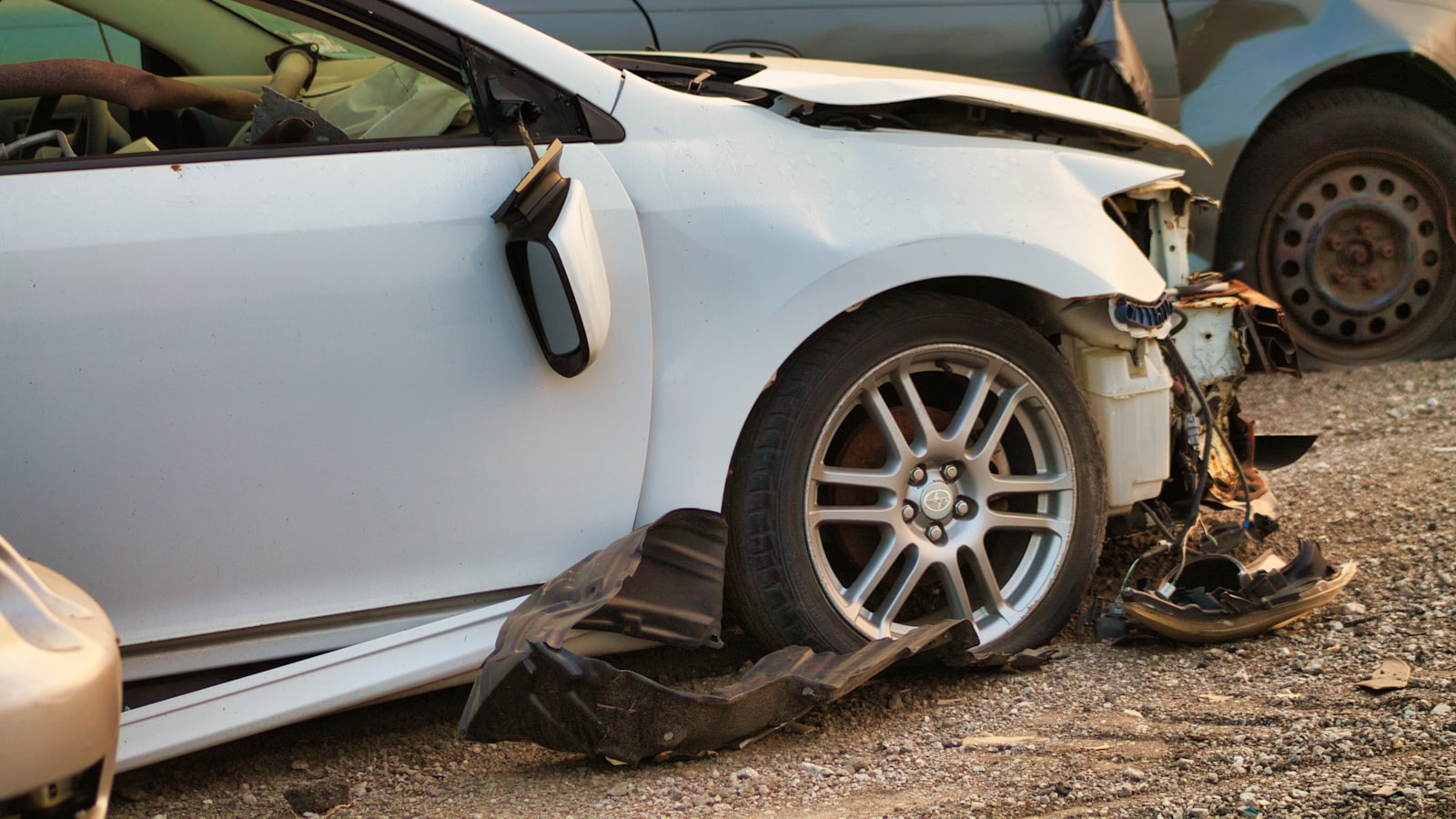
A passenger injured in an Ontario collision is almost never at fault and can claim against any driver who was, including the driver of the vehicle they were riding in. That claim is paid by the driver's insurer up to the policy limits, which is exactly what the policy exists for, and in the ordinary case the driver pays nothing personally. Accident benefits come first through any policy under which you are insured, whether your own or one held by your spouse or someone you depend on, and only through the insurer of the vehicle you were in if no such policy exists.
A passenger is almost never at fault
Fault in a collision is divided between drivers. A passenger sitting in the vehicle rarely carries any share of it. That puts you in an unusually strong position, because someone else's insurer is almost always answerable for your injuries.
If both drivers blame each other, you do not have to wait for them to settle it. You can claim against both and let their insurers sort out the apportionment between themselves.
Yes, that includes the driver of the car you were in
This is where most passengers hesitate, because the driver is often a friend, a spouse, a parent. Reluctance to claim against someone you know is one of the most common reasons passengers hesitate to claim or never claim at all.
The claim is not against your friend personally. It is against their insurance policy, and it is paid by their insurer up to the limits of that policy.
Covering an injured passenger is precisely what the policy exists to do. Your friend will know a claim was made, but the insurer pays it up to the policy limits, and in the ordinary case your friend pays nothing personally.
Where your accident benefits come from
Accident benefits do not depend on fault. You apply first to any policy under which you are insured, which includes your own policy and one held by your spouse or someone you depend on, even though you were not driving. Only if no such policy exists do you apply to the insurer of the vehicle you were in.
If no insurance responds at all, Ontario has a fund of last resort. A passenger is never left without a route to benefits.
Under Ontario's recent reform, medical, rehabilitation and attendant care benefits remain mandatory on every policy. On policies issued or renewed since the reform took effect, income replacement and certain other benefits depend on whether optional coverage was purchased, while older policies still in force keep their previous standard coverages until renewal. Which policy responds, and when it was taken out or renewed, can therefore affect what income support is available to you.
The deadlines apply to you too
Being blameless does not pause the clock. Notice to the insurer, the application for accident benefits, and the limitation period for suing all run on the same timelines as any other claim.
The safest sequence is to give notice early, apply for benefits promptly, and decide about a lawsuit with advice, well before the limitation period closes.
Deadlines that apply to you
These are the dates that end claims. Check them first.
In most Ontario claims you have two years from the day you knew, or ought to have known, that you had a claim.
Limitations Act, 2002, S.O. 2002, c. 24, Sched. B, s. 4
Tell your own auto insurer about the collision as soon as you reasonably can, and no later than seven days.
Statutory Accident Benefits Schedule, O. Reg. 34/10, s. 32(1)
Once the insurer sends you the application package, the completed application for accident benefits (the OCF-1) is due back within 30 days.
Statutory Accident Benefits Schedule, O. Reg. 34/10, s. 32(5)
Ontario changed its auto accident benefits on July 1, 2026.
Financial Services Regulatory Authority of Ontario, changes to Statutory Accident Benefits coverage effective July 1, 2026 · in force 2026-07-01
Questions we get every week
No. The claim is paid by their insurer up to the policy limits, which is what the policy exists for.
Yes. If you are covered under a policy held by your spouse or someone you depend on, you apply there first, otherwise you apply through the insurer of the vehicle you were in, and Ontario has a fund of last resort if no policy responds.
No. A passenger can claim against both drivers and let their insurers argue over shares, and accident benefits do not depend on fault at all.
Medical, rehabilitation and attendant care remain mandatory on every policy. On policies issued or renewed since the reform took effect, income replacement and certain other benefits depend on whether optional coverage was purchased, while older policies still in force keep their previous standard coverages until renewal.
Where this applies
Car Accidents
After a car accident in Ontario you usually have two separate claims running at the same time: accident benefits from your own insurer regardless of who caused the crash, and a claim against the driver at fault.
Read moreAccident Benefits
Accident benefits are paid by your own auto insurer regardless of who caused the collision.
Read more