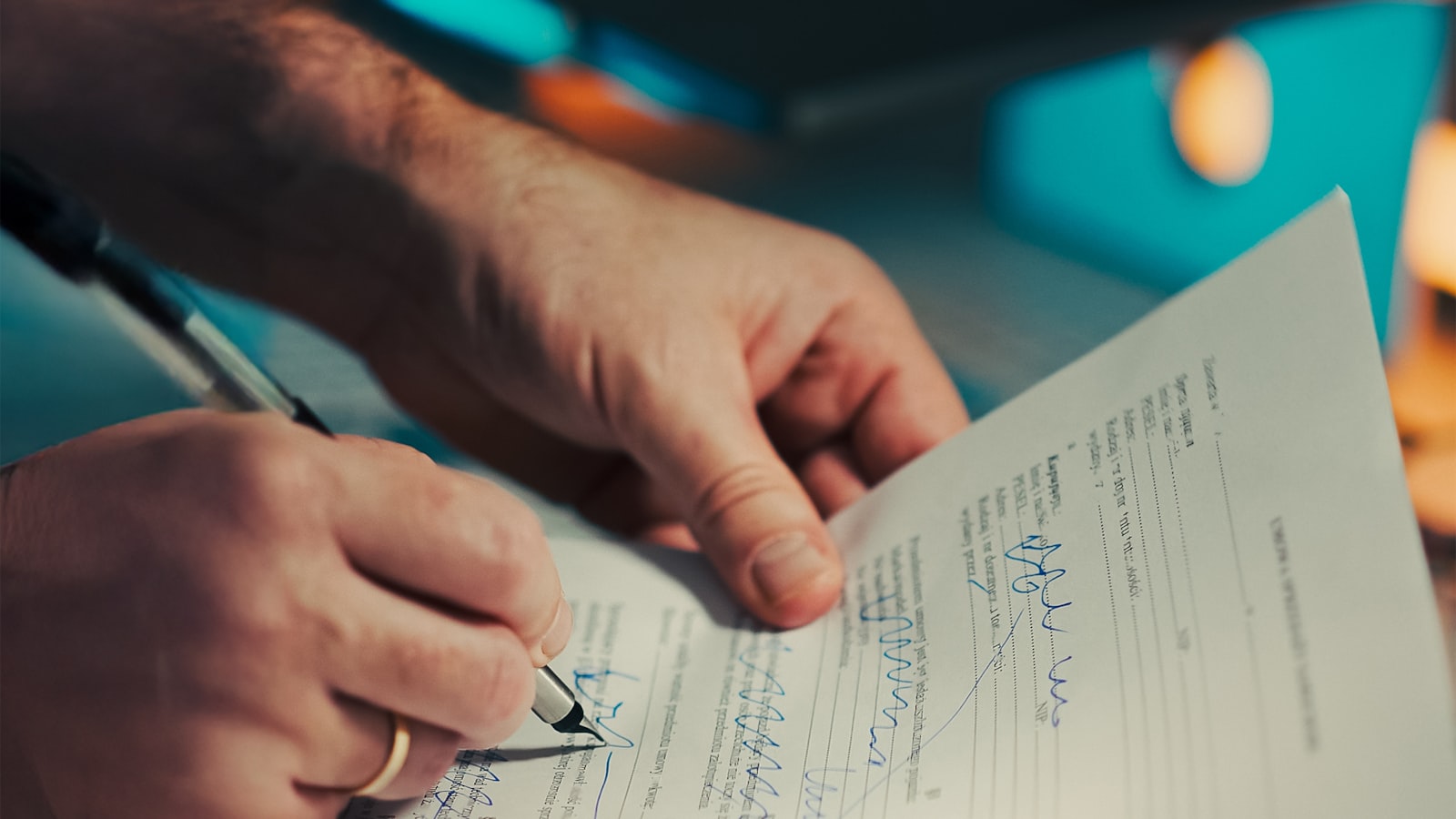
Early offers are made while the medical picture is still unclear, which is precisely why they are made early. Accepting one generally ends every other claim arising from the same event, including claims for injuries that have not yet fully emerged.
The timing is the strategy
An insurer knows two things you do not know yet: roughly what claims like yours settle for, and that your costs are highest right now. An offer that arrives while you are off work and worried is being made into that pressure.
It is not a trick. It is an entirely rational way to close a file cheaply, and it works often.
What you cannot know yet
Whether the injury is permanent. Whether you will return to the same work at the same capacity. What treatment will cost over the next decade. Whether a soft tissue injury settles or becomes chronic.
Every one of those questions has to be answered before a number means anything, and none of them can be answered in the first few months.
A release closes more than you think
Settling usually means signing a release covering all claims arising from the event. That includes injuries that worsen later and consequences nobody had identified yet.
There is no reopening it because the diagnosis changed.
What to do with an early offer
Write down the number, the date, and who made it. Do not reject it emotionally and do not accept it quickly. Get advice about what the claim looks like once the medical picture stabilises.
An offer that is genuinely fair will still be available once you understand it.
Questions we get every week
No. An offer is a negotiating position and declining it is a normal part of the process.
Generally once the medical picture has stabilised enough that future care and earning capacity can be assessed honestly. That is months in a simple case and considerably longer in a serious one.
A signed release is difficult to undo, though not always impossible depending on the circumstances. Get advice quickly rather than waiting.
Where this applies
Car Accidents
After a car accident in Ontario you usually have two separate claims running at the same time: accident benefits from your own insurer regardless of who caused the crash, and a claim against the driver at fault.
Read moreInsurance Disputes
Ontario insurers owe policyholders a duty of good faith in how they handle a claim.
Read moreAccident Benefits
Accident benefits are paid by your own auto insurer regardless of who caused the collision.
Read more